The Ultimate Guide to Bucket Elevators: Vertical Material Handling Excellence
In high-capacity material handling, gravity is your biggest obstacle. When you need to move thousands of tons of grain, minerals, or chemicals vertically, the bucket elevator remains the most efficient, reliable, and space-saving solution in the industry.
But with various designs available—from centrifugal to continuous discharge—choosing the wrong system can lead to material degradation, excessive maintenance, or production bottlenecks. This guide breaks down what you need to know to optimize your vertical conveying.
What is a Bucket Elevator?
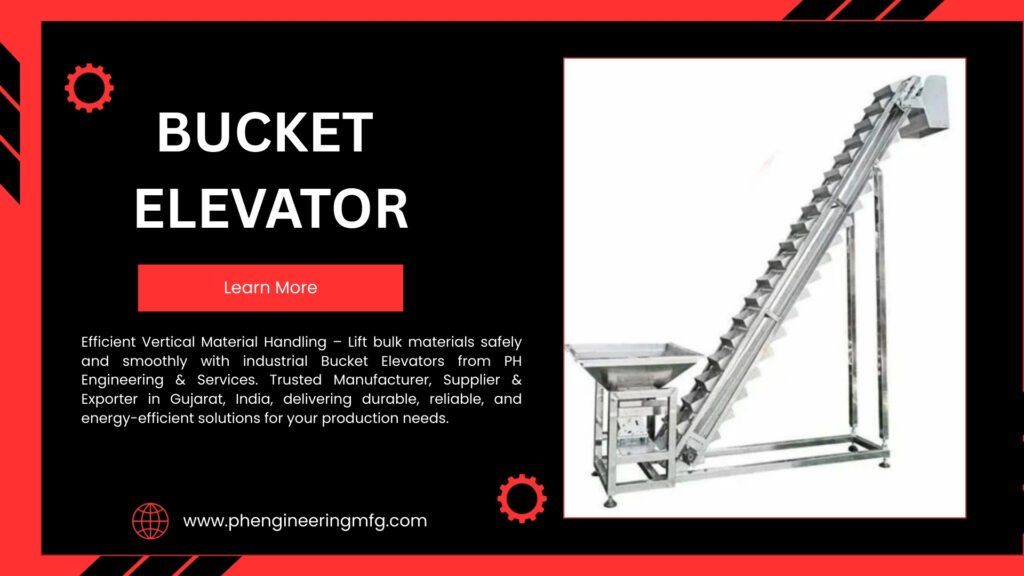
A bucket elevator is a mechanical system designed to lift bulk materials vertically using a series of buckets attached to a continuous belt or chain. It operates in a simple, highly efficient loop:
Boot Section: Material is fed into the buckets at the base.
Transport: The belt/chain carries the loaded buckets upward.
Head Section: The material is discharged at the top through a chute.
Return: Empty buckets return to the bottom to repeat the cycle.
Why Industries Rely on Bucket Elevators
Vertical Efficiency: They require minimal floor space compared to inclined belt conveyors.
High Capacity: Engineered to handle massive throughput (from 10 to over 600 TPH depending on design).
Enclosed Design: Minimizes dust emissions and environmental contamination, which is critical for safety-conscious sectors.
Durability: Built to withstand harsh conditions, including high-temperature, abrasive, or corrosive materials.
Choosing the Right Design for Your Material
Selection depends on your material’s flowability, abrasiveness, and fragility.
Type Best For Discharge Method Centrifugal Discharge Free-flowing materials (Grain, Sand) High-speed, “throwing” action Continuous Discharge Sluggish, sticky, or fragile materials Low-speed, gravity pour Positive Discharge Highly delicate products (Food, Chips) Controlled, mechanical flip
3 Tips for Maximizing Longevity
Monitor Tension: Regularly check belt or chain tension. Proper take-up adjustment prevents slippage and premature wear on pulleys.
Use Safety Sensors: Install zero-speed switches and belt misalignment sensors. Detecting an issue early is the difference between a simple adjustment and a full system failure.
Prevent Buildup: Ensure your inlet/boot section is designed for your specific material type to prevent “choking” or jamming at the start of the lift.
Conclusion
A well-maintained bucket elevator is the heartbeat of a bulk-handling facility. By selecting the right bucket style and discharge method, you not only increase throughput but also significantly lower your long-term maintenance costs.
Do you need help selecting or maintaining your vertical conveying system? [Insert Your Company Name] specializes in high-performance material handling engineering. [PH Engineering ] for a custom assessment of your facility’s needs.