
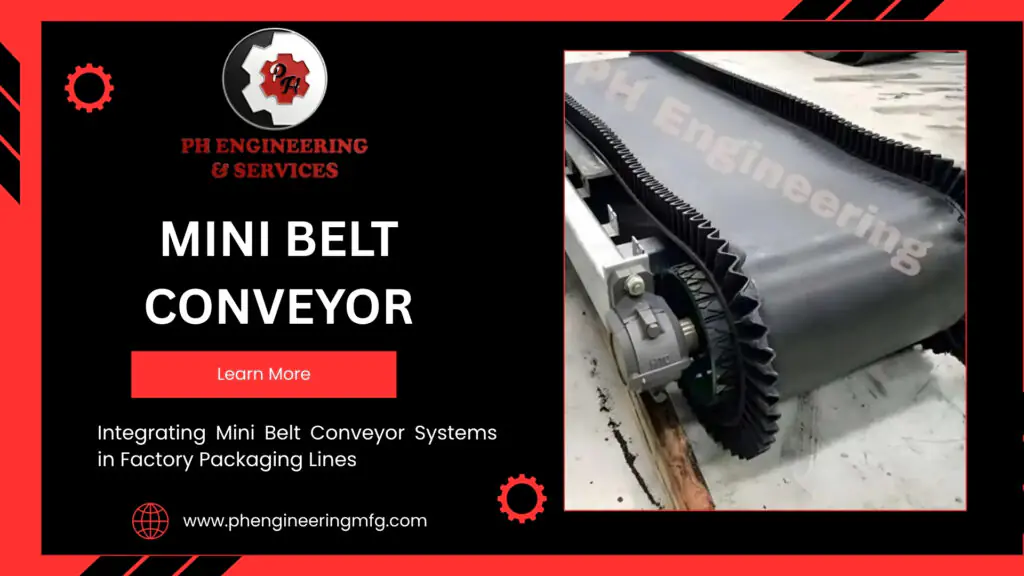
In automated manufacturing and processing plants, the final stages of production—sorting, boxing, checkweighing, and secondary packaging—require absolute precision. While heavy-duty primary equipment like a large Screw Conveyor or a bulk Bucket Elevator handles raw materials and massive volumes, factory floors often need a nimble, compact solution for lighter tasks.
This is where the Mini Belt Conveyor plays an indispensable role. Designed for versatility, compact footprints, and gentle handling, mini belt conveyors bridge the gap between heavy processing lines and final product packaging.
1. Where Mini Belt Conveyors Fit Best in Your Plant
Unlike enclosed augers or heavy trough systems, mini belt conveyors feature an open, low-profile belt surface ideal for specific factory workflows:
Secondary Packaging Stations: Moving boxed, bagged, or packaged goods from automated sealing machines down the line toward palletizing stations.
Small Parts and Component Transfer: Handling manufactured items, small molded products, or packaged food items that require smooth, un-jostled transport.
Inspection and Manual Sorting: Providing a flat, steady surface where operators can visually inspect products, remove defective items, or apply tracking labels in real-time.
2. Speed Synchronization and Automation Integration
To prevent bottlenecks on a high-speed packaging floor, every machine must operate in harmony.
Variable Speed Control: Mini belt conveyors are frequently equipped with compact gearmotors and VFDs, allowing operators to fine-tune belt speeds to match the exact output tempo of upstream machinery—such as a batch discharging from a Ribbon Blender or an automated filling head.
Checkweighing and Metal Detection: The flat, stable surface of a mini belt makes it the ideal platform for integrating inline checkweighers, metal detectors, and rejection arms without disrupting the product’s orientation.
3. Key Advantages Over Screw Conveyors for Packaging
While screw conveyors are unmatched for moving loose bulk powders and grains, belt conveyors offer distinct benefits for packaged or discrete items:
Zero Product Degradation: Because the item rests on a flat, moving belt rather than being pushed by rotating helical flights, fragile packaged goods suffer zero risk of smearing, crushing, or abrasion.
Adjustable Angles and Portability: Many mini belt systems are designed with adjustable stands, allowing them to be easily repositioned, tilted, or integrated into cramped factory corners where rigid piping cannot fit.
4. Maintenance Best Practices for Belt Conveyors
Ensuring long-term reliability for your packaging line conveyors requires straightforward routine maintenance:
Monitor Belt Tracking: Periodically check and adjust belt tensioning bolts to prevent the belt from drifting to one side, which can cause edge fraying and premature wear.
Keep Pulleys Clean: Ensure that drive and idler rollers remain free of dust, adhesive residue, or debris, especially when operating near packaging sealing stations.
Inspect Roller Bearings: Lubricate drive bearings according to manufacturer schedules to maintain smooth, silent operation during continuous shifts.
Optimize Your Packaging and Assembly Lines
Integrating nimble, efficient material handling equipment into your final production stages ensures smooth workflow transitions and eliminates bottlenecks. Whether you need a compact Mini Belt Conveyor, a robust Screw Conveyor, or a complete multi-machine processing line, PH Engineering can help.
Contact PH Engineering today to consult with our engineering experts, discuss your facility requirements, or request a custom equipment quote.