
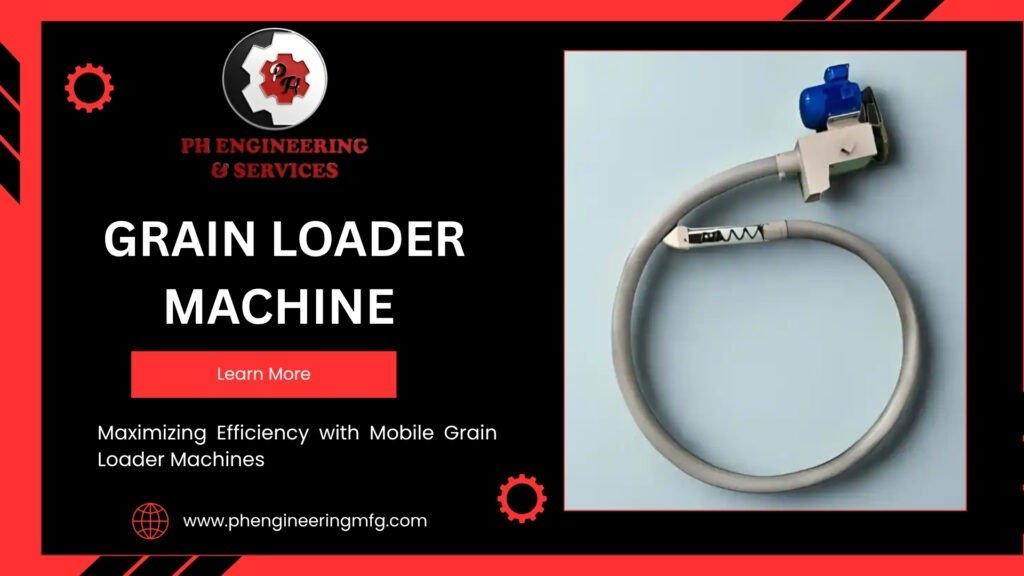
During peak harvest seasons, agricultural processing plants, grain elevators, and farming cooperatives face immense pressure. Moving thousands of bushels of wheat, corn, soy, or rice quickly and safely from transport trucks into storage silos or drying units requires high-capacity, dependable equipment.
While fixed facility conveyors—such as a heavy-duty Screw Conveyor or an elevated Bucket Elevator—manage permanent plant operations, field and yard operations require mobility. This is where the Mobile Grain Loader Machine becomes an indispensable agricultural asset.
1. Why Mobility Matters in Agricultural Handling
Harvested crops often arrive in variable volumes and need to be transferred across open farm yards, loading docks, or temporary storage zones where permanent infrastructure is unavailable.
On-Demand Positioning: Equipped with heavy-duty pneumatic tires and balanced tow hitches, mobile grain loaders can be easily moved to wherever the transport trucks are dumping, eliminating bottlenecks at the receiving pit.
Adjustable Discharge Heights: Hydraulic or manual winch mechanisms allow operators to raise or lower the discharge spout effortlessly, matching the intake height of storage bins, flatbed trucks, or secondary plant hoppers.
2. Gentle Handling and High-Volume Throughput
Handling bulk agricultural grains requires a careful balance between high-speed throughput and product integrity. Cracking or breaking grain kernels reduces their market grade and commercial value.
Optimized Flight and Trough Geometry: Modern grain loaders utilize precision screw or belt flighting designed to move massive volumes of grain smoothly without crushing the kernels against the outer housing.
Consistent Flow Control: Paired with variable speed drives or adjustable intake gates, operators can regulate the feed rate to prevent choking, ensuring a steady, continuous stream of grain moves up the line.
3. Integrating Mobile Loaders with Permanent Plant Lines
A mobile grain loader rarely operates in complete isolation; it is usually the first link in a larger post-harvest processing chain:
From Yard to Silo: Grain dumped into the loader’s intake hopper is hoisted upward and discharged directly into permanent facility lines, such as a horizontal Screw Conveyor routed toward long-term storage silos.
Feeding Processing and Cleaning Units: Before grain is packaged or stored, it often needs to pass through cleaning screens or blending units. Cleaned grains can then be routed into a Ribbon Blender or storage bins seamlessly.
4. Maintenance Best Practices for Field Equipment
Because grain loaders operate outdoors in dusty, demanding environments, routine maintenance is essential to prevent harvest-season breakdowns:
Greasing Bearings and Drive Lines: Dust and chaff can quickly infiltrate exposed bearings. Follow strict lubrication schedules for all drive shafts, pulleys, and tail-end bearings.
Inspecting Belts and Flights: Check screw flight edges or conveyor belts periodically for wear, ensuring that abrasive dirt and sand picked up from the ground do not prematurely thin the steel casing.
Clearing Intake Hoppers: Always run the machine completely empty at the end of a shift to prevent moisture from trapping damp grain inside the intake hopper, which can cause caking or mold growth.
Upgrade Your Agricultural Handling Operations
Investing in rugged, portable agricultural equipment speeds up turnaround times, reduces manual labor overhead, and protects your crop quality during high-demand seasons. Whether you need a high-capacity Grain Loader Machine, a durable Screw Conveyor, or a complete bulk processing line, PH Engineering can help.
Contact PH Engineering today to consult with our engineering experts, discuss your agricultural facility requirements, or request a custom equipment quote.